CRM Integration: Why Your Business Needs a Connected System
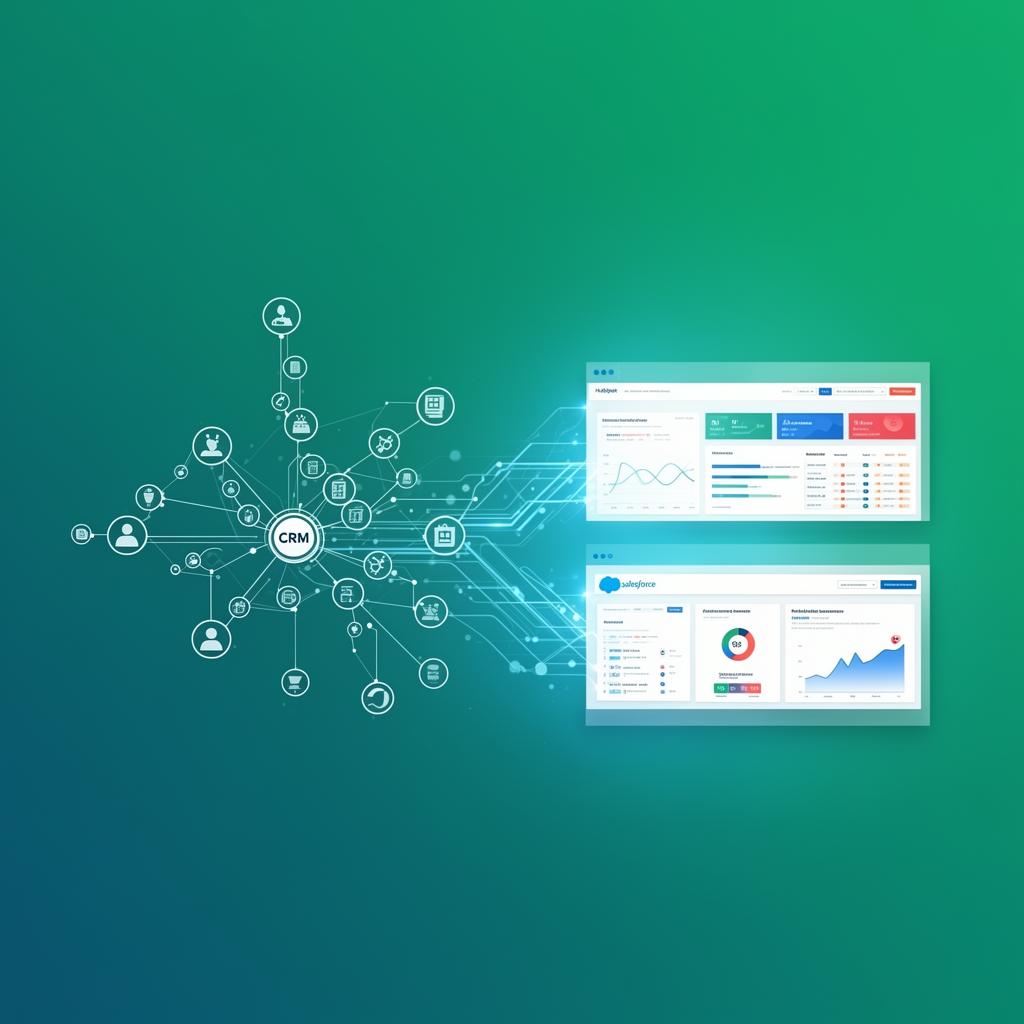
Your business uses email marketing, a booking system, social media, and maybe a spreadsheet for tracking leads. But if these tools don't talk to each other, you're losing data, wasting time, and missing opportunities. CRM integration is the glue that connects everything.
The Disconnected Business Problem
Most small businesses operate with siloed tools. Customer data lives in five different places — your inbox, phone contacts, a booking app, social media DMs, and maybe a spreadsheet.
When a client emails you, books an appointment, and messages you on Instagram — do you have a single view of all those interactions? If not, you're flying blind.
What a Connected CRM Actually Does
A properly integrated CRM isn't just a contact list. It's a central nervous system for your business that:
- Automatically captures leads from your website, social media, and email
- Tracks every interaction with every contact
- Triggers automated follow-up sequences
- Scores leads based on engagement and fit
- Syncs with your calendar, email, and booking system
- Provides dashboards showing pipeline health and revenue forecasts
"Before CRM integration, we were managing leads in a spreadsheet and losing 30% of them. Now everything is automatic — no lead gets forgotten."
The Integration Stack
The power of CRM comes from integration. Here's what a connected system looks like:
Website Form → CRM → Email Sequence → Calendar Booking → Follow-up
Each step happens automatically. A visitor fills out your contact form, their details are added to your CRM, they receive a personalised welcome email, and if they don't book within 48 hours, a follow-up sequence kicks in.
Want to see how a connected CRM system works for your business?
Explore Our Integration Services →HubSpot, Salesforce, or Something Simpler?
Not every business needs an enterprise CRM. The right choice depends on your size, complexity, and budget:
- Solo/micro businesses — Simple tools like Notion + Zapier or a lightweight CRM
- Small teams (2-10) — HubSpot Free, Pipedrive, or GoHighLevel
- Growing businesses (10+) — HubSpot Pro, Salesforce, or custom solutions
The key isn't which CRM you choose — it's that everything is connected and automated. Manual data entry is the enemy of growth.
ROI of CRM Integration
The return on CRM integration is measurable and significant:
- 29% increase in sales revenue
- 34% improvement in sales productivity
- 42% improvement in forecast accuracy
Combined with AI-powered lead qualification, your CRM becomes even more powerful. Read our article on AI lead qualification to see how these systems work together.
- 40% of sales opportunities are lost due to poor lead management
- A connected CRM captures, tracks, and nurtures leads automatically
- Integration is more important than the specific CRM tool you choose
- Automated follow-up within 5 minutes triples conversion rates
- Start simple, then scale — complexity kills adoption
Ready to connect your business systems and stop losing leads?
Get Your Free CRM Audit →